
In the world of health and fitness, we often obsess over one single number: Weight. We step on the scale every morning, letting that number dictate our mood and our progress. But modern medicine tells a different story. Weight alone is a “noisy” metric that doesn’t account for muscle mass, bone density, or—most importantly—where your body stores fat.
If you want a true picture of your internal health, you need to look at the numbers that actually matter to your heart, your metabolism, and your long-term wellness.
1. Waist-to-Height Ratio (WHtR): The Heart-Health Gold Standard
While the Body Mass Index (BMI) is a useful starting point, many cardiologists now prefer the Waist-to-Height Ratio.
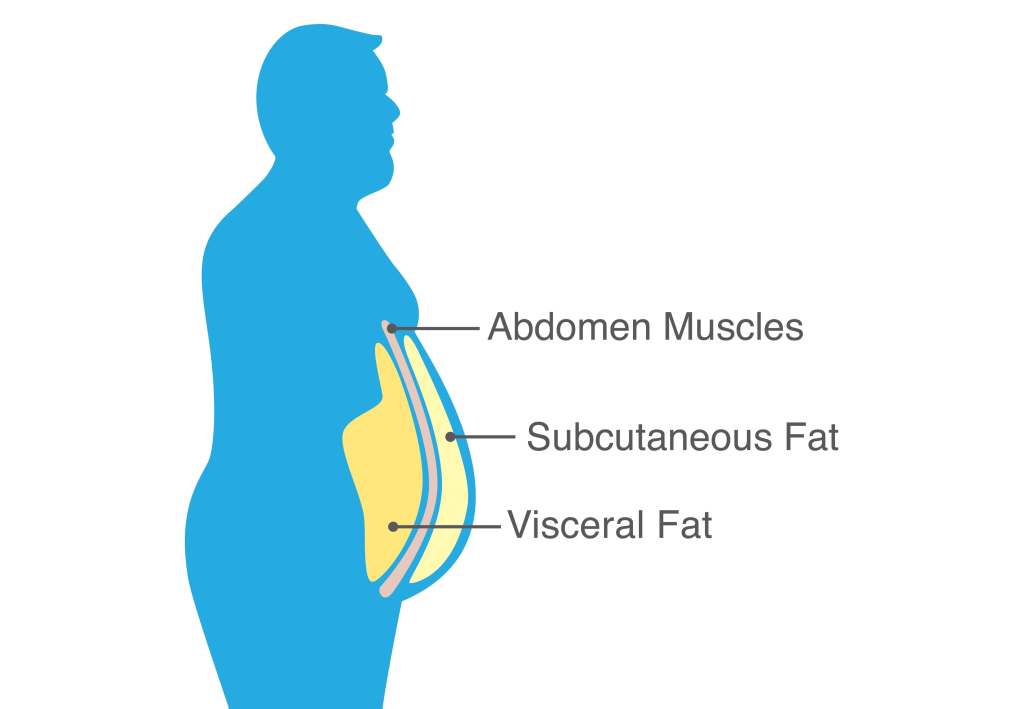
Why it matters: This number measures “central adiposity” (belly fat). Unlike fat on your hips or arms, abdominal fat is metabolically active; it surrounds your vital organs and releases inflammatory chemicals that increase the risk of Type 2 Diabetes and Heart Disease.
- The Goal: Keep your waist circumference to less than half your height.
- The Formula: $\text{Waist (cm)} \div \text{Height (cm)} = \text{WHtR}$
- The Interpretation: A ratio of 0.5 or higher suggests an increased risk of cardiovascular complications.
2. Blood Pressure: The “Silent” Metric
High blood pressure (Hypertension) often has no symptoms until it causes a major event like a stroke or heart attack.
Understanding the numbers:
- Systolic (Top number): The pressure in your arteries when your heart beats.
- Diastolic (Bottom number): The pressure in your arteries when your heart rests between beats.
| Category | Systolic (mmHg) | Diastolic (mmHg) |
| Normal | Less than 120 | and Less than 80 |
| Elevated | 120 – 129 | and Less than 80 |
| Hypertension Stage 1 | 130 – 139 | or 80 – 89 |
3. Fasting Blood Glucose
This number measures the sugar (glucose) in your blood after you haven’t eaten for at least 8 hours. It is the primary indicator of how well your body is processing carbohydrates and how sensitive you are to insulin.
- Normal: 70 to 99 mg/dL.
- Prediabetes: 100 to 125 mg/dL.
- Diabetes: 126 mg/dL or higher on two separate tests.
4. Resting Heart Rate (RHR)
Your RHR is the number of times your heart beats per minute while you are at complete rest. It is a direct reflection of your cardiovascular fitness and autonomic nervous system health.
- Athletic/Highly Fit: 40–60 bpm.
- Average Adult: 60–100 bpm.
- Why it matters: A consistently high RHR (over 100 bpm) can indicate that your heart is working too hard or that you are under significant chronic stress.
Conclusion: Take Control of Your Numbers
Health isn’t about being “thin”; it’s about being metabolically healthy. By tracking these four metrics, you can catch potential issues years before they become medical emergencies.
Ready to see where you stand? Use our [Advanced Health Calculator] to check your BMI and Waist-to-Height Ratio instantly.